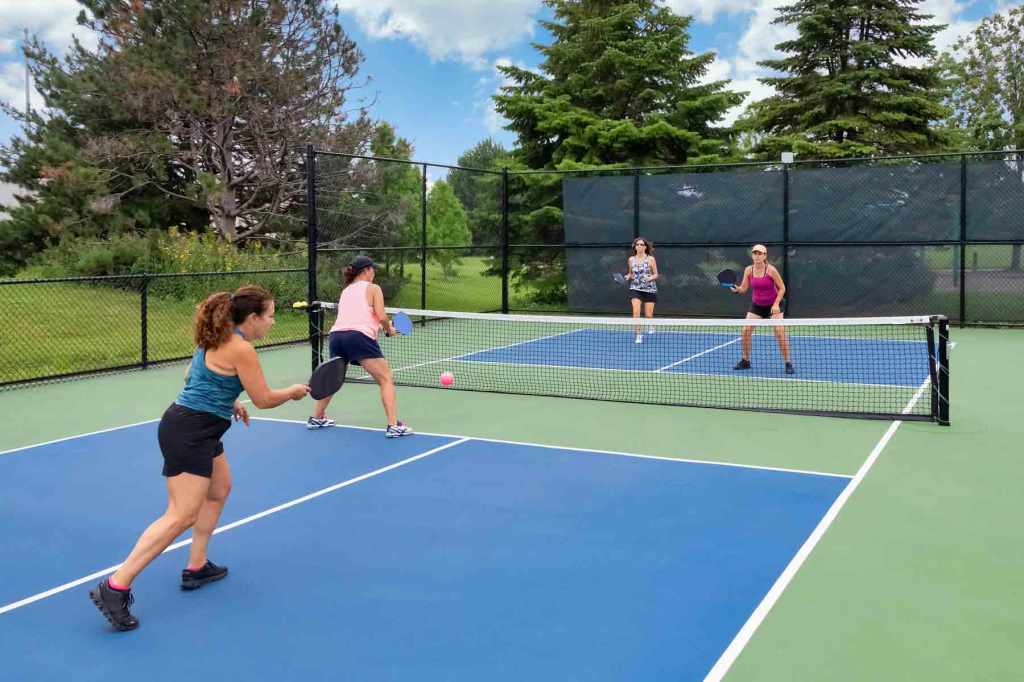
Most people think a pickleball court starts with lines on the ground. In reality, it starts much earlier—usually with someone standing in an empty space, imagining rallies, laughter, and that familiar pop of paddle on ball. Whether it’s a quiet backyard, a school playground, or a buzzing community centre, the journey from idea to playable court is surprisingly human. It’s full of small decisions, compromises, and moments of “let’s do it right, not just fast.”
Pickleball’s rise hasn’t been subtle. Courts are popping up everywhere, and with that growth comes a lot of rushed builds, quick fixes, and surfaces that feel great for a few months before problems show up. The difference between a court people love and one they quietly avoid usually comes down to how thoughtfully it was planned and built.
It’s Not Just a Slab of Ground
At first glance, the process looks simple. Measure the space. Pour or prepare a base. Add a surface. Paint the lines. Done. But anyone who’s played on more than a handful of courts knows it’s rarely that straightforward.
pickleball court construction is as much about what you don’t see as what you do. Base preparation matters more than almost anything else. A surface laid over an uneven or poorly compacted base will eventually crack, settle, or drain badly. And when that happens, no amount of repainting will fix the underlying issue.
Good construction takes patience. It means allowing materials to cure properly. It means accounting for slope, water runoff, and even the direction of the sun if the court will see heavy daytime use. These aren’t glamorous steps, but they’re the ones that decide whether a court lasts five years or fifteen.
The Role of People Who’ve Done This Before
There’s a certain confidence that comes from experience. You can feel it when you talk to professionals who’ve built dozens—or hundreds—of courts. They’ve seen what fails. They know what corners not to cut.
That’s where pickleball court builders really earn their keep. Not just by following a checklist, but by asking the right questions early. How often will the court be used? Who’s playing on it? Is it multi-sport or pickleball-only? What’s the local climate actually like year-round, not just in brochures?
The best builders don’t oversell. They explain trade-offs honestly. Maybe one surface costs more upfront but saves money on maintenance. Maybe another feels great underfoot but isn’t ideal for a shaded, damp location. Those conversations are where good courts are born.
Installation Is Where Theory Meets Reality
Design plans look perfect on paper. Installation is where those plans meet real ground, real weather, and real timelines. It’s also where small mistakes can quietly turn into long-term frustrations.
pickleball court installation demands attention to detail. Surface layers need consistent thickness. Coatings must be applied under the right conditions. Even line painting has rules—wrong paint or poor adhesion can lead to peeling within months.
This phase is also about sequencing. Rushing from one step to the next can undo weeks of good prep. Experienced crews know when to slow down, even if it means pushing a finish date. That restraint is often invisible to the end user, but it’s felt every time the ball bounces true.
Outdoor Courts: Built for the Real World
Outdoor courts live hard lives. Sun, rain, dust, leaves, and temperature swings all leave their mark. A well-built outdoor court anticipates this. Slight slopes help water drain away instead of pooling. Surface textures balance grip with comfort. Materials are chosen for resilience, not just appearance.
Too many outdoor courts fail because they’re treated like indoor ones with a roof missing. Nature doesn’t forgive that mistake. The courts that age best are the ones designed with humility—accepting that weather will win some battles, but not the war.
Indoor Spaces Have Their Own Challenges
Indoor courts don’t face rain or UV damage, but they come with their own quirks. Shared spaces mean more wear from different sports, more foot traffic, and stricter expectations pickleball court installation around noise and surface markings.
Here, flexibility is key. Courts that work well indoors usually prioritise consistency and safety over extreme performance. Players may not notice right away, but over time, these balanced choices keep facilities usable and communities happy.
Why the Best Courts Feel Unremarkable
It sounds strange, but the best pickleball courts rarely impress you at first. They don’t shout for attention. They just… work. The bounce is predictable. Your feet trust the surface. You stop thinking about the ground and start thinking about the game.
That’s not an accident. It’s the result of dozens of small, correct decisions made during planning, construction, and installation. Decisions that favour long-term play over short-term savings.
A Thoughtful Ending, Not a Hard Sell
If you’re considering building a pickleball court, take a moment to watch people play on a good one. Notice how little they talk about the surface. Notice how long they stay. Notice how often they come back.
 Site Title